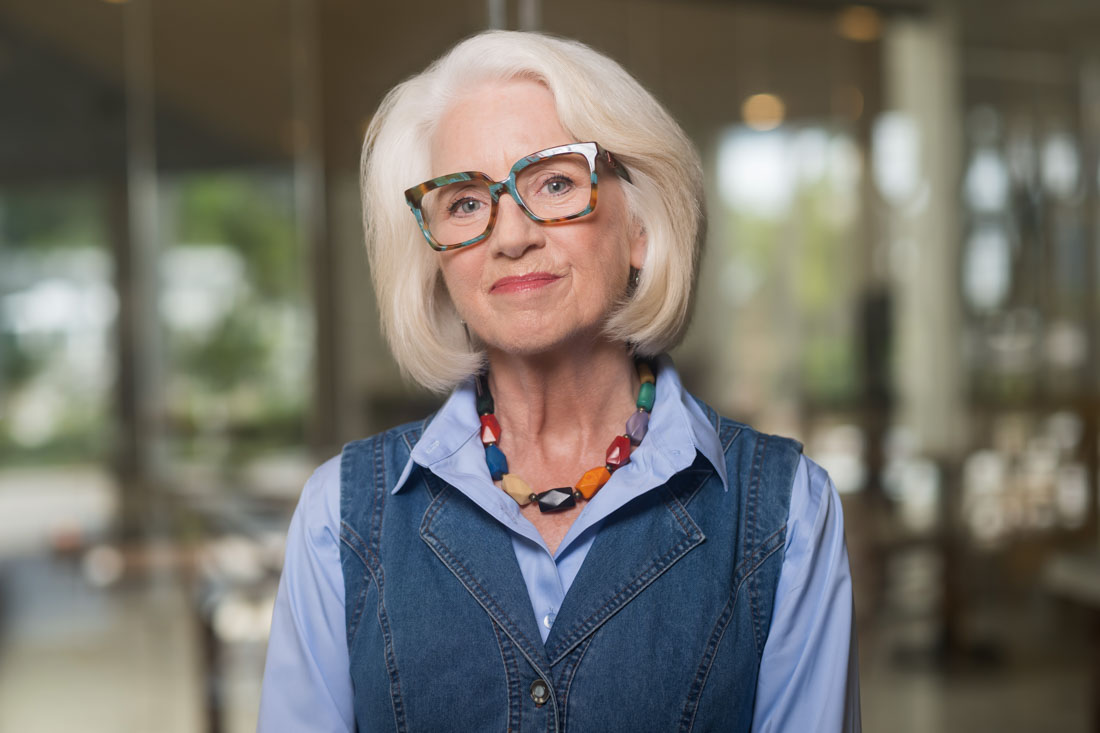
Tennessee psychotherapist, Judy K. Herman LPC-MHSP, NCC, highlights how caregiver burnout can lead to self-neglect and disconnection from one’s own well-being.
CHATTANOOGA, TN, UNITED STATES, August 27, 2026 /EINPresswire.com/ — Dolly Parton‘s death has touched people around the world. But something she shared about her health shortly before her death opens an important conversation for millions of people caring for someone they love.
Parton acknowledged that while caring for her husband of nearly 60 years, Carl Dean, she had put some of her own health needs aside.
For Tennessee psychotherapist and relationship specialist Judy K. Herman, LPC-MHSP, the story points to a pattern she has witnessed throughout more than 20 years of working with individuals and couples.
“We can love someone deeply and still lose ourselves in the process,” Herman said. “We can become so focused on someone else’s needs, moods, symptoms and well-being that we gradually stop paying attention to our own.”
Herman calls this pattern relational over-responsibility.
It can happen in caregiving, marriage, parenting and other close relationships. What begins as love and concern can slowly become a pattern of putting another person’s needs first while overlooking our own emotional and physical warning signs.
“Caring isn’t the problem,” Herman said. “Losing ourselves in the caring is the warning signal.”
Research has documented the mental and physical toll associated with sustained caregiving stress. Studies have also linked chronic relational stress with changes in emotional well-being, immune functioning, inflammation and other physiological stress responses.
Herman cautions against drawing conclusions about what caused Parton’s illness or death.
“We don’t know what role, if any, caregiving stress played in Dolly Parton’s illness, and it would be irresponsible to speculate,” Herman said. “What caught my attention was what Dolly herself acknowledged. She had been so focused on caring for someone she loved that some of her own health needs didn’t get the same attention. I think a lot of people, especially caregivers and therapists like me spend their lives caring for others, will recognize themselves in that.”
Herman believes physical symptoms, emotions and even relationship conflict can sometimes function much like warning lights on a dashboard.
“The warning light isn’t the enemy. It’s information,” she said. “Our bodies and our emotions send us signals too. The question is, are we paying attention? And are we willing to do something different to honor our loved ones and ourselves?”
That idea is central to Herman’s work with relationship wellness. She teaches that healthy caring includes empathy for another person without losing responsibility for one’s own well-being. She calls it “productive empathy.”
Her larger message is simple:
“Conflict isn’t the enemy. Disconnection is. And sometimes the person we’ve become disconnected from is ourselves.”
Herman encourages caregivers to notice changes in sleep, mood, energy, appetite, physical symptoms and their own tendency to postpone medical care or dismiss what their bodies are telling them.
“Sometimes we think taking care of ourselves means we’re taking something away from the person we love,” Herman said. “I believe the opposite is true. Increasing awareness of our own bodies and being mindful of connection with ourselves allows us to show up with greater honesty, compassion and strength for the people we love.”
Judy K. Herman, LPC-MHSP, NCC, is a licensed psychotherapist in Tennessee and Georgia, relationship specialist, author and professional speaker. She works with other therapists and is the founder of Relationship Wellness, LLC. She is the author of two books: “Beyond Messy Relationships” and “Relationships with Purpose.” Her work explores the connection between relational stress, emotional and physical well-being, and the courage to stay connected to ourselves and others during challenging seasons.
Herman is available for television, radio, podcast and print interviews about caregiver burnout, relational over-responsibility, chronic relationship stress, self-neglect and recognizing emotional and physical warning signals.
Judy K. Herman, LPC-MHSP, NCC
Relationship Wellness, LLC
+1 423-551-9916
email us here
Visit us on social media:
LinkedIn
Instagram
Facebook
YouTube
Legal Disclaimer:
EIN Presswire provides this news content “as is” without warranty of any kind. We do not accept any responsibility or liability
for the accuracy, content, images, videos, licenses, completeness, legality, or reliability of the information contained in this
article. If you have any complaints or copyright issues related to this article, kindly contact the author above.

Media gallery