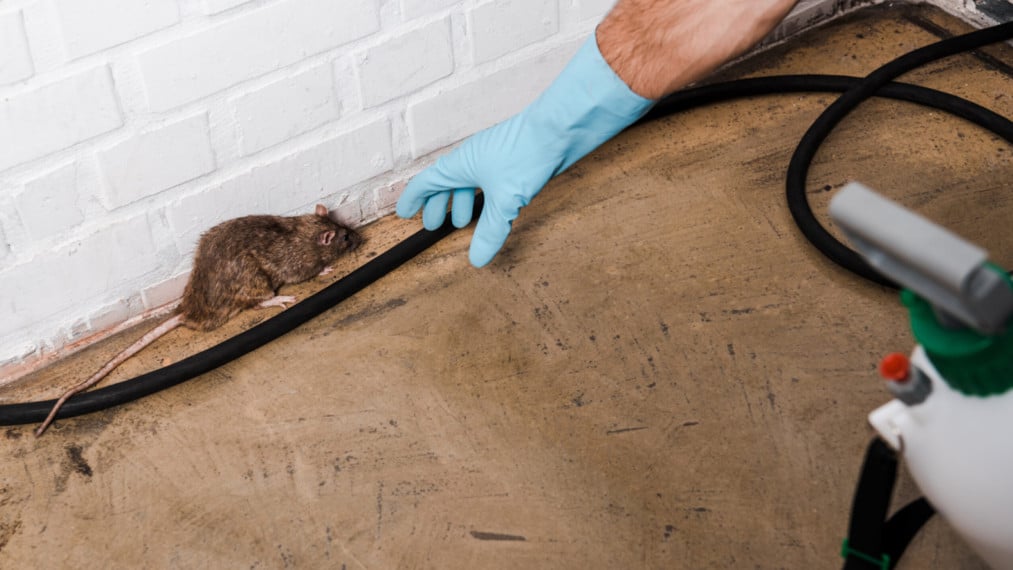
Key Takeaways
- Dead rats pose serious health threats, including Hantavirus Pulmonary Syndrome and Leptospirosis, which can be contracted through direct contact or inhaling contaminated dust particles.
- Professional removal costs typically range from $150-$600, depending on complexity, with specialized odor neutralization services adding $200-$1,000 to the total bill.
- Safe DIY removal requires proper protective equipment, double-bagging techniques, and thorough disinfection to prevent disease transmission and secondary pest problems.
- Decomposing rat carcasses attract flies, beetles, and other pests that can spread bacteria throughout the home for weeks after the initial discovery.
Finding a dead rat in your home creates an immediate health crisis that extends far beyond the unpleasant odor. Professional pest control experts encounter these situations daily and understand the complex web of diseases, secondary infestations, and contamination risks that homeowners face when dealing with decomposing rodent carcasses.
Serious Disease Threats from Dead Rats: Hantavirus and Leptospirosis Among Primary Risks
Dead rat carcasses function as disease reservoirs that can transmit multiple life-threatening pathogens to humans through various exposure routes. Hantavirus Pulmonary Syndrome represents the most serious threat, transmitted when people breathe air contaminated with virus particles from rodent urine, droppings, or saliva. The CDC reports that symptoms of Hantavirus Pulmonary Syndrome usually appear one to eight weeks after exposure and include fever, fatigue, muscle aches, and severe respiratory distress that can prove fatal without immediate medical intervention.
Leptospirosis creates another significant health risk through contact with water or soil contaminated by infected rat urine. Studies in urban environments show that brown rats frequently carry Leptospira bacteria, which can contaminate local water sources. The bacteria enter the human body through cuts, scratches, or mucous membranes, causing symptoms ranging from mild flu-like illness to kidney damage and liver failure.
Both diseases demonstrate why professional pest control companies emphasize immediate, proper removal procedures.
Safe Dead Rat Removal Process for Homeowners
Northern Virginia pest control experts from Connor’s Pest Pros explain that homeowners who choose to handle dead rat removal themselves must follow strict safety protocols to prevent disease transmission and contamination. The removal process involves multiple steps that require careful attention to protective measures and proper disposal techniques.
1. Locating the Carcass in Hard-to-Reach Places
Dead rats often decompose in concealed locations like wall voids, attics, crawl spaces, and behind large appliances, where detection becomes challenging. The primary indicator remains the distinctive, penetrating odor that intensifies over time as decomposition progresses. Strong smells accompanied by increased fly activity typically signal nearby carcasses. When odors emanate from within walls or other inaccessible areas, professional intervention becomes necessary to avoid structural damage during removal attempts.
2. Required Protective Gear and Preparation
Proper personal protective equipment forms the foundation of safe dead rat removal. Required gear includes disposable rubber gloves, N95 or higher-grade respirator masks, and eye protection to prevent contact with contaminated particles. Before beginning removal, ventilate the area thoroughly and gather necessary supplies: plastic bags, commercial disinfectant, and cleaning materials. The CDC specifically warns against sweeping or vacuuming droppings, as these actions can aerosolize dangerous pathogens.
3. Proper Removal and Double-Bagging Technique
Safe removal begins with spraying the carcass and the surrounding area with disinfectant to neutralize airborne pathogens. Using gloved hands or tools, carefully place the dead rat into a sturdy plastic bag, then immediately seal it inside a second bag to prevent leaks. This double-bagging technique ensures containment of fluids and reduces odor transmission during transport to disposal sites.
4. Disinfection and Sanitization Requirements
Post-removal sanitization proves necessary for eliminating residual contamination. Apply bleach solution or commercial disinfectant to all surfaces the carcass contacted, including floors, walls, and nearby objects. Remove and dispose of any contaminated materials like nesting debris in sealed bags. Complete the process by washing hands thoroughly with soap and warm water after removing protective equipment.
Professional Removal Costs and Service Options
Professional dead rat removal services provide complete solutions that address both immediate health risks and long-term prevention strategies. Understanding cost structures helps homeowners make informed decisions about DIY versus professional removal approaches.
Basic vs. Complex Removal Pricing
Basic dead rat removal typically costs between $150-$250 for straightforward cases involving accessible carcasses and standard decontamination procedures. Complex removal situations requiring wall access, structural repairs, or removal from confined spaces can increase costs to $200-$600. Factors influencing pricing include carcass location, accessibility challenges, required equipment, and extent of contamination cleanup needed.
Specialized Odor Neutralization Services
Decomposing rat odors often persist for weeks after carcass removal, requiring specialized neutralization techniques. Professional odor remediation services cost $200-$1,000 depending on affected area size and odor intensity. Advanced treatments utilize ozone generators, enzyme-based cleaners, and air scrubbing equipment to eliminate persistent organic odors that standard cleaning cannot address.
Additional Disease Risks and Secondary Pest Problems
Beyond primary disease threats, dead rats create cascading health risks through secondary pest attraction and bacterial contamination that can persist long after carcass removal.
Salmonellosis and Rat-Bite Fever Transmission
Salmonellosis occurs through consumption of food or water contaminated with rat feces, causing severe gastrointestinal symptoms including diarrhea, fever, and abdominal cramping. Rat-Bite Fever, while typically associated with live rat bites, can also transmit through contact with contaminated surfaces or breathing dust from infected carcasses. Both conditions require medical treatment and demonstrate the importance of thorough decontamination following removal.
Flea-Borne Diseases and Secondary Infestations
Decomposing rat carcasses attract fleas, flies, beetles, and other insects that can spread bacteria throughout homes and create secondary infestations. Fleas particularly pose health risks as carriers of typhus and historically, plague. These secondary pests often outlast the original carcass, continuing to spread contamination weeks after initial discovery. The insect activity also attracts additional pests, creating complex infestation cycles that require treatment approaches.
Prevention Strategies to Stop Future Rat Infestations
Effective prevention focuses on eliminating factors that attract rats and create opportunities for infestation establishment. Prevention strategies address multiple attraction and entry factors simultaneously.
1. Sealing Entry Points and Structural Gaps
Rats can squeeze through openings as small as a quarter, making thorough sealing necessary for prevention. Focus on foundation cracks, utility entry points, roof line gaps, and areas around pipes or cables. Use steel wool combined with caulk for small openings, and hardware cloth for larger gaps. Regular inspection and maintenance prevent new entry opportunities from developing.
2. Proper Food Storage and Waste Management
Secure food storage in airtight containers eliminates primary attractants that draw rats to properties. This includes pet food, bird seed, and pantry items that rats commonly target. Implement consistent waste management practices with tightly sealed garbage containers and prompt removal of food scraps. Clean up outdoor feeding areas and remove fallen fruit from trees to reduce exterior food sources.
3. Reducing Clutter and Eliminating Hiding Spots
Rats seek shelter in cluttered areas both inside and outside homes. Remove unnecessary storage items, maintain organized spaces, and eliminate brush piles or overgrown vegetation near building exteriors. Keep storage areas clean and organized, using sealed containers instead of cardboard boxes that rats can easily gnaw through. Regular cleaning and decluttering reduce available nesting sites and make early detection of activity easier.
Professionals Can Ensure Safe Dead Rat Removal
Professional pest control services offer complete solutions that address immediate health risks while preventing future infestations through expert removal techniques and ongoing prevention strategies. They combine specialized equipment, safety protocols, and experience to handle dead rat situations safely and effectively.
Most companies will even provide thorough area sanitization, odor neutralization, and identification of entry points that led to the original infestation, making them the best choice for both pest management and prevention.
Connor’s Pest Pros
5410 Port Royal Rd
Springfield
VA
22151
United States