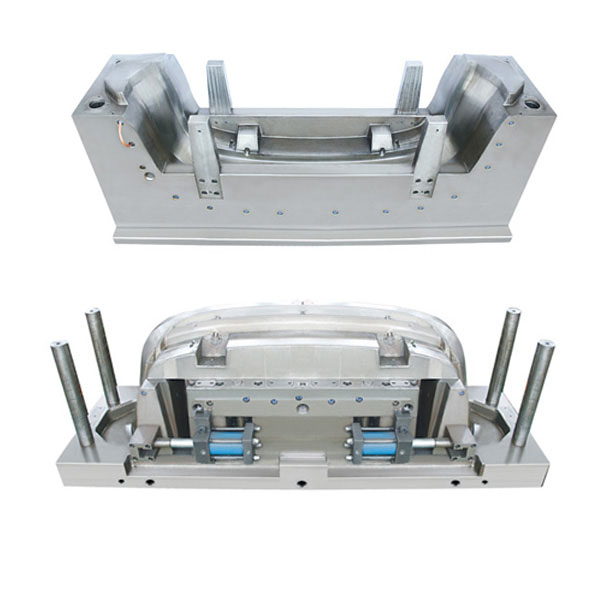
ABIS explores how fit, finish and function shape automotive injection molding for EV charging components, exterior parts and cabin trim.
SHENZHEN, GUANG-DONG, CHINA, November 22, 2026 /EINPresswire.com/ — A small feature in a plastic component can carry several responsibilities at once. A locating surface helps establish assembly position, a fastening feature works with the surrounding geometry, and a visible edge contributes to the appearance of the finished vehicle. In automotive injection molding, these details connect product design with manufacturing and inspection.
ABIS Mold’s automotive tooling resource brings that relationship into focus through applications ranging from electric vehicle components to exterior housings and interior trim. The Shenzhen manufacturer presents custom molds, sampling and molded-part supply as project scopes to discuss around the customer’s component.
For vehicle manufacturers, tier suppliers and product development teams, the practical issue is how those requirements interact. A change intended to improve appearance may affect assembly. A feature added for fastening can influence the surface on the opposite side.
Understanding these connections gives a tooling discussion greater substance. It helps engineering and purchasing teams assess the decisions behind a proposal and identify the evidence needed before the project advances.
Start with the Features That Locate the Part
Fit begins with a definition of how a component is positioned in its assembly. A review can identify the surfaces that establish location, the features that secure the part and the relationships that remain important after installation.
Consider an illustrative housing with two fastening points and a separate locating feature. If the assembly review considers only the fastener positions, it may leave unanswered questions about how the part sits against its receiving component.
Showing the supplier the relevant assembly arrangement gives those questions a practical context. The team can explain which interfaces control position and which clearances allow installation or movement.
For automotive injection molding, this creates a useful link between the drawing and the finished product. The mold developer can review the proposed approach against the features that the customer intends to inspect and use.
The result is a discussion centered on the component’s role, with tolerances and sample checks connected to an identifiable purpose.
EV Charging Components Combine Several Interfaces
An EV charging connector mold project can involve a plastic component that interacts with internal hardware, adjoining shell sections and a release arrangement. Each interaction deserves a defined place in the development brief.
The review can follow the intended sequence of assembly and use. Engineering can identify the components that locate one another, the movement needed during operation and the reference configuration used for sample evaluation.
For example, a housing could satisfy an overall envelope requirement while leaving insufficient space for an adjoining moving feature. Considering the assembled arrangement gives the team an opportunity to investigate that possibility before approving the tool design.
An EV charging port housing mold raises related questions at the vehicle interface. The customer can bring the relevant mounting arrangement and neighboring components into the review so that the supplier understands the condition in which the part will be assessed.
This helps a plastic injection molding service respond to the actual project. The quotation can explain which engineering checks and samples are included, while identifying customer decisions or supplied components needed to complete the review.
Battery Plastic Components Need a Component-Level Brief
EV battery pack plastic parts cover a range of possible functions within a larger assembly. A development discussion becomes more useful when it identifies the particular cover, support, spacer or locating component being purchased.
The customer can describe what the part contacts, how it is assembled and which operating conditions are relevant. That information helps the supplier understand the purpose of the proposed tooling and sampling work.
Material evidence also needs a clear meaning. UL Solutions describes plastics flammability classifications as results of controlled material tests, with thickness relevant to the rating. The purchasing team can identify the material evidence required and allocate responsibility for any component or assembly validation.
For a new energy vehicle parts mold project, this provides a practical division of work. The supplier’s proposal can address the custom molded component, while the product team retains a visible plan for assessing its function within the larger system.
Exterior Parts Connect the Drawing with the Vehicle’s Appearance
A car door handle mold brings styling and assembly into the same review. The development team can identify the visible component, the receiving mechanism and the condition in which the finished appearance will be judged.
A decorative cover, for instance, might be acceptable in isolation but show an uneven edge when installed. Reviewing the cover with its mating part helps the team connect the observed result with the geometry being specified.
A car mirror housing mold presents a similar opportunity to examine the relationship between a shell and adjoining components. The discussion can distinguish the dimensions inspected on the individual part from the gaps or alignment evaluated on the assembly.
For buyers, this is useful when comparing tooling proposals. A supplier can explain how its sample plan addresses those relationships and which references it will need from the customer.
It also gives the design team a way to record the approved condition, helping later reviews use the same basis for comparison.
The Back of a Trim Part Can Influence the Front
Automotive interior trim plastic parts demonstrate why the visible surface and the geometry behind it deserve a coordinated review.
An internal fastening support or reinforcing feature may be important to assembly, while the opposite face remains visible to the customer. The tooling discussion needs to consider both functions.
Autodesk’s sink-mark guidance explains that localized shrinkage at thicker regions can draw a molded surface inward. The resulting depression may be small but visible because it reflects light differently from the surrounding surface.
That makes local geometry a useful subject for design-for-manufacturing, or DFM, review. The team can examine how a proposed internal feature relates to the surface that the customer will inspect.
For a car interior plastic parts mold, the commercial brief can identify the appearance reference and the engineering review expected before tool manufacture. This gives the supplier a defined problem to investigate and gives the buyer a clearer basis for evaluating the response.
Gate Location Is a Product Decision as Well as a Tooling Decision
The gate is the point through which molten plastic enters the mold cavity. Its location influences how the material reaches different regions of the part and where a remaining gate mark will appear.
Autodesk’s guidance on injection locations connects gate selection with filling, material orientation, warpage, venting and weld-line placement. These subjects can affect the function and appearance of the molded component.
For an automotive project, a useful review begins by identifying the features and surfaces that matter most. The supplier can then explain the proposed gate arrangement and the engineering reasoning behind it.
The discussion should also consider the complete proposal. Moving an injection location may address one concern while changing the flow pattern elsewhere, so the team needs to assess the consequences together.
Automotive injection molding benefits from this connection between product priorities and tooling choices. A gate proposal becomes a decision that the customer can understand, question and review against the intended part.
Surface Approval Needs More Than a Color Description
A description such as black, silver or textured gives an initial direction, but a supplier still needs a usable reference for the intended appearance.
Covestro’s automotive interior materials guidance identifies surface quality and dimensional stability among the considerations for interior components. These priorities help explain why appearance belongs in the technical review.
The customer can identify visible faces, nominate the relevant physical references and explain whether the delivered condition includes painting, decoration or another operation.
The sample review can then assess the component in the condition covered by the quotation. If several neighboring parts are involved, the team can agree which combination will be available for comparison.
This gives purchasing, styling and quality staff a common description of the expected result. It also helps the supplier distinguish an agreed acceptance requirement from a later request for a different appearance.
Small Parts Bring Functional Details into View
Small automotive plastic parts can carry important assembly responsibilities. Clips, latches and protective caps may require attention to features that are easy to miss in a broad capability discussion.
A clip, for example, may be measured in its unloaded condition while its intended role also depends on installation and engagement. The project team can decide how the sample review will examine that behavior.
If several cavities are proposed, the buyer can ask how samples and inspection results will be identified. A clear record helps the customer and supplier relate a particular observation to the part that was evaluated.
For a new energy vehicle plastic parts manufacturer under consideration, the quality of this discussion can be informative. Buyers can assess whether the supplier has understood the component and described a relevant way to review the proposed work.
The objective is an approval plan proportionate to the part’s function and the customer’s requirements.
Material Selection Connects the Application with the Mold
The material designation belongs in the technical definition of the project. It provides a reference for tooling discussions, sample production and the interpretation of inspection results.
A buyer can identify the proposed grade, any reinforcement or color requirement and the operating conditions that the design owner considers relevant. The supplier can explain which assumptions it has used when preparing the quotation.
This becomes particularly useful if the team considers an alternative material during development. The proposal can identify what would change and allow the responsible engineers to decide which evidence needs to be reviewed.
The same record helps during repeat orders. Purchasing and production staff can refer to an approved specification instead of relying on a broad polymer description.
For automotive injection molding, this creates continuity between the component’s intended use and the material supplied for manufacturing. It also makes an engineering change easier to discuss because the starting condition is clear.
Trial Samples Should Test the Questions Raised During Design
A mold trial is most informative when it follows the concerns identified during development. The team can decide in advance which dimensions, appearance features and assembly relationships the samples will be used to evaluate.
The accompanying record can identify the drawing revision, material, sample quantity and inspection scope. This gives the receiving team context for interpreting the results.
Where the customer requires the Production Part Approval Process, or PPAP, the expected deliverables should be included in the project plan. AIAG describes PPAP as an industry process for demonstrating that engineering requirements can be consistently met during actual production.
A different customer approval arrangement can also define a clear release package. The important point is to establish what evidence supports the decision to proceed.
A plastic injection molding service can contribute by showing how its sampling proposal answers the product questions raised earlier. This connects the trial with an engineering purpose and makes the remaining actions easier to manage.
Scope Definition Makes Supplier Comparisons More Useful
A mold quotation and a molded-part supply quotation describe different responsibilities. The buyer can make the intended arrangement clear at the beginning of the inquiry.
For a mold-only project, the discussion may include the receiving factory’s requirements, the agreed trial work and the documentation to accompany delivery. For ongoing component supply, the discussion can identify quantities, inspection, finishing and delivery expectations.
The commercial review can then compare similar deliverables across shortlisted suppliers. Engineering assumptions, sample approval and responsibility for subsequent changes can be considered alongside the quoted price.
This gives ABIS and the customer a practical basis for a project-specific conversation. It also helps the purchasing team identify the questions that must be settled before an initial estimate becomes an order.
A Related Discussion in Custom Drone Parts Molds
ABIS also presents Custom Drone Parts Molds for UAV housings, frame components and enclosures. Its related resource connects manufacturability review with sampling and repeat production.
The relevant connection is the way the engineering brief is organized. A component’s function, its neighboring parts and the evidence required for approval provide a useful structure in both sectors.
Manufacturers sourcing across automotive and UAV programs can use a familiar purchasing framework while retaining the technical requirements and validation plan appropriate to each product.
This offers another area to explore when reviewing the supplier’s proposed engineering support.
About ABIS Mold
According to its company profile, ABIS Mold was established in Shenzhen, China, in 1996 and provides mold making, injection molding and product assembly services.
The company describes a 12,000-square-meter factory and injection molding machines with clamping forces ranging from 40 to 650 tons. Its profile also reports ISO 9001 certification.
Customers can request current qualification documents and review the proposed equipment, technical approach and inspection scope against the actual component being developed.
Starting an Automotive Tooling Project
Manufacturers considering ABIS can begin with the part drawing, available assembly references, material designation and expected quantities. Identifying visible surfaces and important functional interfaces gives the supplier a more focused basis for review.
The inquiry can also describe the intended purchasing scope and the evidence needed for sample approval. Any unresolved design questions can be listed alongside the confirmed requirements.
contact us directly:
Kelly
ABIS Mold Technology Co., Ltd.
Tel / WhatsApp:+86 13751017242
Email:mike@abismold.com
Website: https://www.abismould.com/
Information regarding automotive injection molding can be found at the following URL:https://www.abismould.com/automotive-injection-molding.html
Information regarding custom drone parts molds can be found at the following URL:https://www.abismould.com/drone-injection-molding.html
Information regarding the double shot injection molding can be found at the following URL:https://www.abismould.com/double-shot-injection-molding-2K-injection-molding.html
Information regarding the sleep aid device manufacturer can be found at the following URL:https://www.abislife.com/sleep-aid-device-for-adults/
Kelly
ABIS Mold Technology Co., Ltd.
+86 13682636597
Visit us on social media:
Facebook
YouTube
Legal Disclaimer:
EIN Presswire provides this news content “as is” without warranty of any kind. We do not accept any responsibility or liability
for the accuracy, content, images, videos, licenses, completeness, legality, or reliability of the information contained in this
article. If you have any complaints or copyright issues related to this article, kindly contact the author above.

Media gallery